
In today’s digital world, a mobile-friendly website is an essential ingredient for business success. Think about it: how often do you reach for your phone throughout the day to check emails, browse social media, or make online purchases? People who owns smart phone are using it for everything from entertainment to research and transactions.
If your website isn’t optimized for mobile devices, you’re essentially turning away a massive chunk of your potential customer base. Here’s a deeper dive into why a mobile-friendly website is crucial for your business:

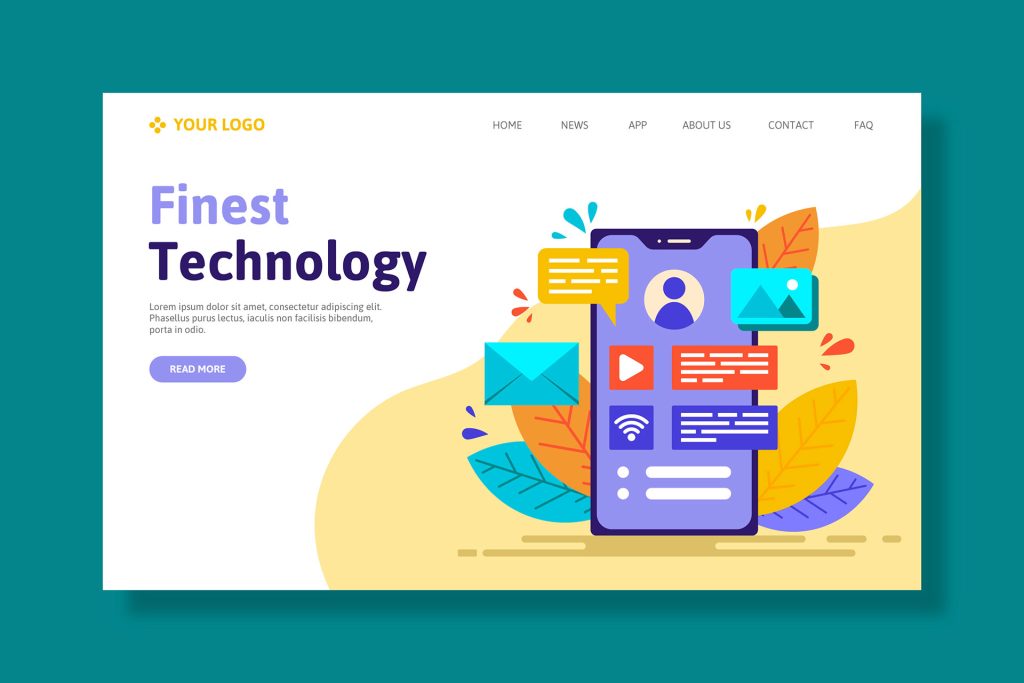
1. Enhanced User Engagement
Imagine this: a potential customer discovers your business through a Google search on their phone. They click on your website, but it’s crammed with tiny text, unclickable buttons, and images that take forever to load. Frustrated and unable to navigate the site easily, they bounce and head straight to your competitor with a user-friendly mobile experience.
This scenario is all too common with websites not optimized for mobile. A mobile-friendly website, however, prioritizes a seamless user experience on smaller screens. Larger buttons, clear and concise navigation, and fast loading times all contribute to keeping visitors engaged and exploring your offerings.
2. Improved Search Engine Ranking
Gone are the days when desktop searches reigned supreme. Google and other search engines now prioritize mobile-friendly websites in their search results. This means a website that isn’t optimized for mobile devices risks getting buried on the second or third page of search results, where very few potential customers will ever see it.
In today’s competitive online environment, ranking high in search results is critical for driving organic traffic to your website. By ensuring your website is mobile-friendly, you’re sending positive signals to search engines, boosting your visibility, and increasing the chances of potential customers finding your business.
3. Creating a Stellar Customer Experience
Think of your website as your digital storefront. Just like a well-organized and welcoming physical store, a mobile-friendly website provides a positive experience for your customers, regardless of the device they’re using. This translates to increased brand loyalty, positive word-of-mouth marketing, and ultimately, more sales.
Imagine a customer browsing your product catalog on their phone while on their lunch break. A mobile-friendly website allows them to easily view product descriptions, specifications, and high-quality images, all within a few taps. This streamlined experience fosters trust and encourages them to consider your products or services.
4. Boosting Conversions
Mobile users are more likely to convert – that is, to make a purchase, sign up for your newsletter, or download an ebook – on a website that’s optimized for their devices. This is because the conversion process is designed to be smooth and effortless.
Forget the frustration of pinching and zooming or endlessly scrolling to find the “Add to Cart” button. A mobile-friendly website streamlines the conversion process, allowing users to take the desired action with just a few taps. This translates to increased sales and a higher return on investment for your online presence.
5. Reaching a Wider Audience
The world is becoming increasingly mobile-centric. People use their smartphones and tablets to access the internet from all corners of the globe. A mobile-friendly website ensures that your business is accessible to a wider audience, regardless of location.
Imagine you run a travel agency with breathtaking tours and packages. A mobile-friendly website allows potential customers from all over the world to discover your offerings, browse destinations, and contact you for inquiries – all from the convenience of their mobile devices. This opens doors to new markets and a broader customer base for your business.
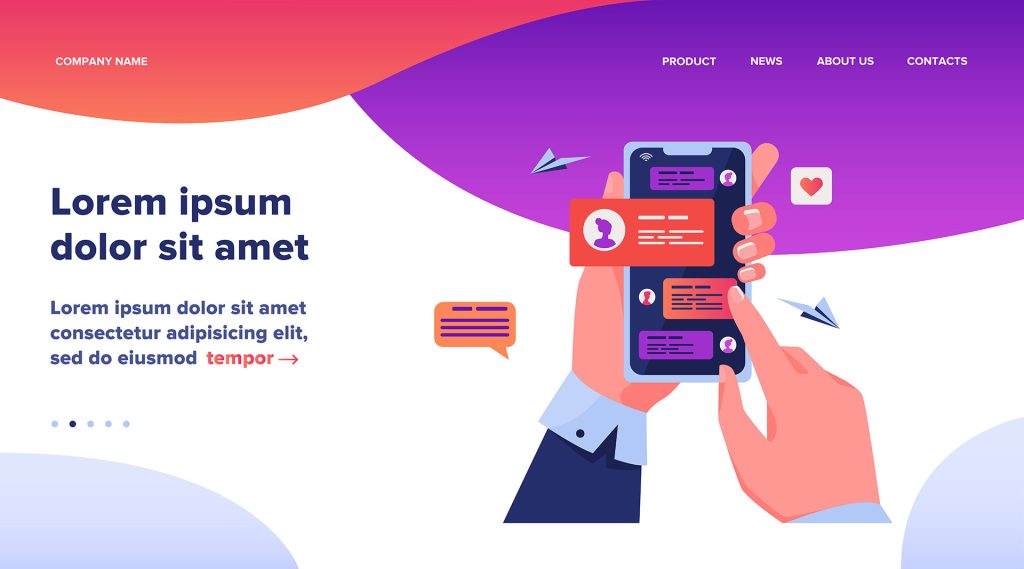

Making the Switch to Mobile-Friendly
Fortunately, there are several ways to transform your website into a mobile-friendly haven for your customers. Here are a few key steps to consider:
- Responsive Design: This is the golden standard for mobile-friendliness. Responsive design ensures your website automatically adjusts its layout to fit the screen size of the device it’s being viewed on. This creates a seamless experience for users, regardless of whether they’re on a phone, tablet, or laptop.
- Image Optimization: Large, uncompressed images can significantly slow down your website loading time, especially on mobile devices. Be sure to optimize your images for the web by reducing their file size without compromising on quality. Tools like TinyPNG are great resources for this.
- Clear Navigation: Mobile users have limited screen space and patience for complex menus. Prioritize a clear and concise navigation system with easily identifiable buttons and categories. This allows users to find the information they need quickly and efficiently.
- Cross-Device Testing: Before launching your website